

In today’s digital age, businesses face an important strategic decision when it comes to engaging customers: should they adopt a multichannel or omnichannel marketing approach? While both strategies involve interacting with customers across multiple platforms, their execution and impact differ significantly.
What is Multichannel Marketing?
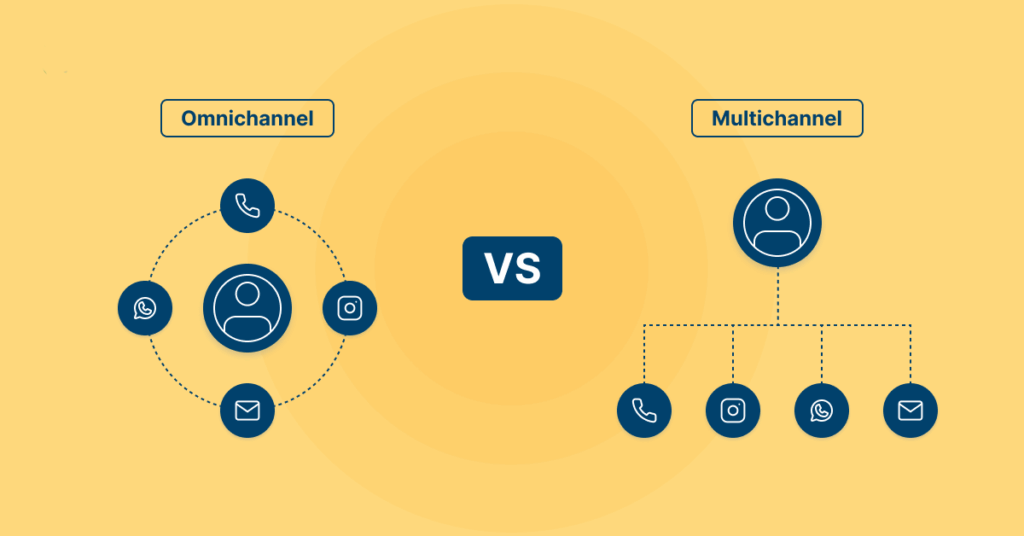
Multichannel marketing is the practice of reaching customers through a variety of channels—such as email, social media, SMS, websites, and in-store experiences—without necessarily integrating these touchpoints. Each channel operates independently and may have different messaging or goals.
Pros and Cons of Multichannel Marketing
Pros:
- Broad reach: Allows businesses to engage with customers on the platform they prefer.
- Flexibility: Each channel can be optimized for its unique audience and format.
- Easy to implement: Especially useful for businesses getting started with digital marketing.
Cons:
- Lack of integration: Can lead to inconsistent messaging and customer experience.
- Harder to track customer journeys across platforms.
- Can create silos in marketing efforts and data management.
What is Omnichannel Marketing?
Omnichannel marketing is a more advanced approach that integrates all marketing channels to deliver a seamless and personalized customer experience. It ensures consistency in messaging, branding, and user interaction whether the customer is shopping online, via mobile, or in-store.
Pros and Cons of Omnichannel Marketing
Pros:
- Unified customer experience across all channels.
- Better data collection and customer insights.
- Increased customer satisfaction, loyalty, and lifetime value.
Cons:
- Requires more sophisticated tools and planning.
- Higher initial investment in tech and strategy.
- Demands greater coordination across departments.
How Multichannel and Omnichannel Marketing Differ
The key difference lies in integration and user experience. Multichannel marketing uses various platforms independently, while omnichannel synchronizes them for a cohesive journey. In multichannel, the focus is on expanding presence; in omnichannel, the focus is on enhancing the customer experience.
How to Choose Between an Omnichannel or Multichannel Strategy
1. Your Ultimate Goal
If your goal is maximum reach and awareness, multichannel may be sufficient. But if you aim to build deep customer relationships, omnichannel is more effective.
2. Budget
Omnichannel often requires a larger budget for integration tools, data analytics, and customer journey mapping. Multichannel can be implemented with lower costs.
3. Technical Expertise and Resources
Omnichannel strategies benefit from cross-functional teams and data systems. If your business lacks these, multichannel may be a more realistic starting point.
4. Mode of Operation
Omnichannel works best for customer-centric operations where departments align toward a unified experience. Multichannel fits businesses with separate teams managing different channels.
5. Your Industry
E-commerce, retail, and hospitality often thrive with omnichannel strategies due to their focus on customer journey and personalization. B2B, niche markets, or businesses with limited online presence may prefer multichannel.
Omnichannel vs Multichannel: Explained
To sum up, multichannel marketing is about being present on many platforms. Omnichannel marketing is about connecting those platforms to create a consistent and memorable customer experience. The right strategy depends on your business goals, resources, and how much you want to personalize customer interaction.
By understanding the nuances between the two, you can make smarter marketing decisions that lead to higher engagement and long-term growth.
