

The Communications Platform as a Service (CPaaS) industry has undergone transformative change over the past decade, but 2025 stands out as one of the most pivotal years yet. Driven by rapid technological evolution, new security demands, the rise of artificial intelligence, and shifting communication behavior among consumers and brands, CPaaS has evolved from a messaging delivery tool into an intelligent, integrated, enterprise-grade ecosystem.
As businesses continue moving toward automation, real-time interactions, and omnichannel customer experiences, CPaaS has become the backbone of digital communication. Platforms like VeloConnect represent this next stage—where speed, reliability, intelligence, and security work together to deliver seamless communication across SMS, WhatsApp, Viber, email, voice, and emerging channels.
This report provides a clear and comprehensive summary of the major CPaaS industry trends in 2025—and sets the stage for what businesses should expect in 2026.
1. CPaaS Became Fully AI-Native, Not Just AI-Assisted
The single biggest shift in 2025 was the transition from simple AI add-ons to AI-native CPaaS platforms. Earlier generations of CPaaS relied on AI to make incremental improvements — such as detecting spam, optimizing routing, or powering chatbots. But in 2025, AI became the engine behind communication workflows.

Key developments:
AI-driven message orchestration became the norm
Instead of predefined workflows, CPaaS platforms started using large language models (LLMs) to decide:
- the best channel to use
- the ideal send time
- the message structure
- the segmentation rules
- the next step in the conversation
This meant more dynamic, personalized interactions instead of static flows.
AI-powered fraud detection became mandatory
With the rise of AI-generated phishing attacks, CPaaS platforms integrated:
- behavioral scoring
- fraud intent recognition
- real-time threat detection
- sender authenticity validation
Security became essential, especially for industries like banking and logistics.
Voice AI replaced legacy IVR
2025 marked the end of robotic, menu-based voice systems. AI voice agents:
- understood natural human speech
- handled complex queries
- improved customer satisfaction
- reduced workload for support teams
Impact:
AI is no longer an optional feature — it is now the defining capability of top CPaaS providers.
2. Omnichannel Messaging Became the Standard Expectation
Before 2025, many businesses still viewed SMS as the core communication channel. But consumer preferences shifted dramatically, and CPaaS platforms adapted.
Today’s customer journey spans:
- SMS
- WhatsApp Business
- Viber Business Messages
- RCS (where available)
- push notifications
- in-app messaging
This shift was accelerated by:
- rising messaging costs
- increased demand for encrypted channels
- richer media formats
- personalized experiences
The new industry standard: channel elasticity
Businesses no longer choose just one channel. Instead, they prioritize:
- deliverability
- security
- cost efficiency
- customer preference
- message urgency
CPaaS now automatically switches between channels to ensure delivery and engagement, often using AI to decide the best route.
Impact:
CPaaS platforms must provide robust, integrated omnichannel APIs — or risk becoming irrelevant.
3. Security Became a Core CPaaS Requirement, Not an Add-On
2025 saw a record rise in:
- phishing attacks
- SIM-swapping
- SMS spoofing
- WhatsApp fraud
- enterprise credential theft
These threats forced businesses to reevaluate their communication security strategy.
Major security transformations:
Zero Trust Messaging Architecture
Every attempt to deliver a message now requires:
- verification
- validation
- routing checks
- fraud scoring
“Send first, secure later” is no longer acceptable.
AI-driven authentication and anomaly tracking
CPaaS platforms introduced:
- automatic blocking of suspicious senders
- verification of sender IDs
- detection of unusual traffic patterns
Encrypted channels gained massive adoption
Industries like:
- finance
- retail
- logistics
- healthcare
…shifted toward WhatsApp and Viber due to their encrypted, authenticated communication environment.
Compliance tightened across all markets
New regulations affected:
- A2P messaging
- user consent
- data storage
- privacy rules
- cross-border communication
Impact:
Security is now a competitive differentiator. Businesses expect CPaaS platforms to be cybersecurity partners—not just communication providers.
4. Global Regulations Reshaped the Messaging Landscape
2025 brought major regulatory changes that significantly affected CPaaS platforms, especially in North America and Europe.
Key regulatory shifts included:
Stricter A2P (Application-to-Person) SMS rules
Carriers introduced:
- verified sender frameworks
- heavy penalties for non-compliant traffic
- new registration steps for businesses
Crackdown on grey routes
Authorities worldwide:
- banned unregistered SMS routes
- shut down SIM farms
- strengthened monitoring of international traffic
- increased fees for suspicious routing patterns
Meta changes WhatsApp policy once again
By mid-2025, Meta introduced:
- new pricing APIs
- stricter messaging templates
- stronger verification processes
- higher penalties for policy violations
RCS expanded but with cautious regulation
Especially in:
- Europe
- Latin America
- parts of Asia
Impact:
Compliance became essential for business continuity. CPaaS providers had to adapt quickly to stay competitive.
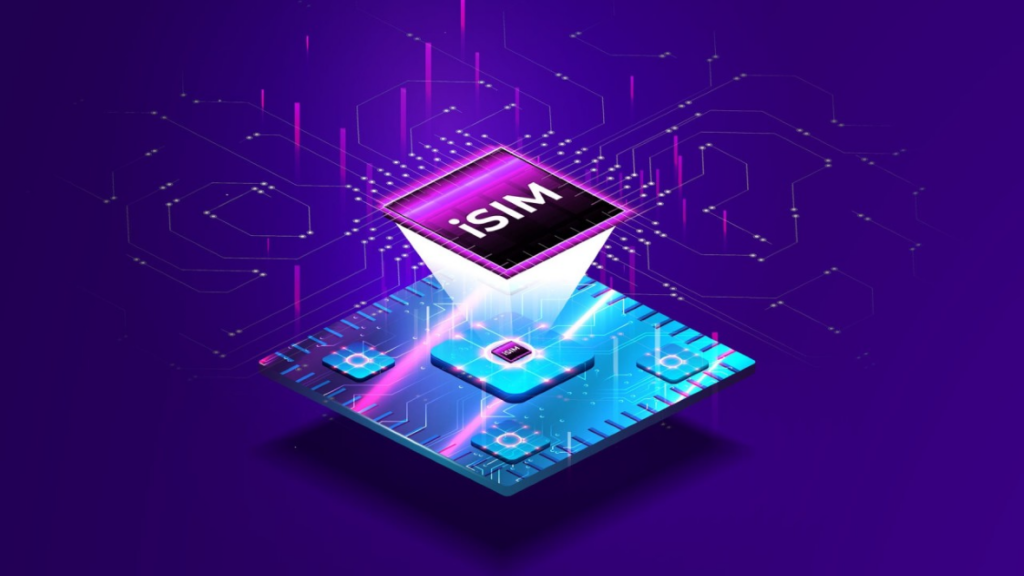
5. iSIM and Network-Level APIs Became Mainstream
2025 was a breakthrough year for iSIM (Integrated SIM) technology, which integrates SIM functionality directly into the device’s processor.
Why this matters:
Massive cost reduction for IoT devices
iSIM is cheaper than:
- physical SIM
- eSIM
Easier remote provisioning
Ideal for:
- logistics
- smart cities
- industrial automation
Boost for telco-driven CPaaS solutions
Operators began offering:
- network-authenticated messaging
- device-to-cloud APIs
- carrier-grade verification
This marks the expansion of CPaaS into the IoT connectivity ecosystem, opening new monetization models.
Impact:
CPaaS platforms are no longer only for human-to-human messaging — they now support massive IoT communication flows.
6. CPaaS Became a Mission-Critical Enterprise Layer
For many companies, CPaaS shifted from a useful tool to critical infrastructure.
Common enterprise use cases in 2025:
Customer engagement
- promotions
- reminders
- notifications
- loyalty communication
Operations & logistics
- delivery updates
- fleet management alerts
- workforce messaging
Authentication & security
- OTP
- 2FA
- identity verification
AI customer support
- chatbots
- voicebots
- automated help centers
Automated workflows
- CRM + CPaaS integrations
- E-commerce alert systems
- ERP-triggered notifications
Impact:
CPaaS now supports the entire customer and operational lifecycle — not just messaging campaigns.
7. Voice and Video APIs Regained Popularity
While messaging dominated early CPaaS growth, 2025 revitalized demand for voice and video. Why?
Telemedicine adoption surged
Doctors use video consultations + secure messaging.
Remote onboarding grew
Banks and fintechs rely on:
- video KYC
- voice identity verification
AI voice assistants improved dramatically
Replacing call centers and IVRs.
Hybrid work remains the new normal
Companies need scalable voice/video communication tools.
Impact:
GPaaS is becoming truly multi-modal — voice, video, and messaging integrated in one workflow.
8. Performance and Reliability Became Central KPIs
With increased messaging volumes (especially OTP, banking alerts, and delivery notifications), businesses demanded:
Sub-100ms API response time
Especially for verification.
Multiple routing redundancies
CPaaS providers needed:
- at least 3–4 fallback routes
- live rerouting
- delivery optimization engines
Real-time delivery analytics
Businesses now expect:
- DLR dashboards
- channel comparison
- cost per conversion tracking
Impact:
Performance is now a core selling point — not just pricing.
9. Market Consolidation Accelerated
2025 saw more mergers and acquisitions than any previous year in CPaaS history.
Trends included:
- telcos acquiring smaller CPaaS vendors
- large CPaaS players buying AI startups
- cybersecurity firms entering the messaging ecosystem
- financial companies investing in secure communication platforms
Impact:
The industry is moving toward fewer, more powerful, integrated providers.
10. Customer Expectations Shifted Toward Intelligent, Real-Time Experiences
By the end of 2025, consumers increasingly preferred:
- instant responses
- personalized content
- secure communication
- seamless omnichannel experiences
Businesses responded by upgrading to:
- AI chatflows
- real-time dynamic routing
- multilingual messaging
- rich media formats
Impact:
CPaaS platforms like VeloConnect must provide intelligence, speed, and personalized engagement by default.
Conclusion: 2025 Was the Year CPaaS Became Intelligent, Secure, and Fully Integrated
Looking back, 2025 brought extraordinary shifts that permanently changed the CPaaS landscape.
The industry moved from:
❌ basic messaging → ✔ intelligent communication
❌ siloed channels → ✔ fully integrated omnichannel ecosystems
❌ manual workflows → ✔ AI-native automation
❌ simple delivery APIs → ✔ security-first communication platforms
Businesses now expect:
- smarter communication
- secure interactions
- instant delivery
- personalized messaging
- visibility and analytics
- channel flexibility
Platforms like VeloConnect are positioned at the forefront of this transformation — combining intelligent messaging, network-grade security, and omnichannel flexibility to help enterprises navigate the new age of communication.
