

Unlock higher engagement, reach more customers, and build smarter campaigns.
In today’s fast-paced digital landscape, marketers can’t afford to rely on just one communication channel. Email and SMS are both powerful on their own—but together, they can deliver stronger results across your entire funnel. When used strategically, this duo can boost engagement, improve conversion rates, and help you stay top-of-mind without overwhelming your audience.
Let’s break down why combining SMS and email marketing is more effective than using either channel alone.
Higher Engagement and Open Rates
One of the biggest advantages of using SMS is speed and immediacy. SMS messages have an open rate of over 90%, with most being read within three minutes. Compare that to email, which averages around 20–25% open rates, and it’s clear SMS is unmatched for urgency.
But email offers something SMS can’t: rich content and flexibility. With email, you can deliver long-form content, visuals, links, and documents. It’s ideal for nurturing leads, sending newsletters, or delivering offers that require more context.
Together, SMS gets the message seen fast, while email carries the full story. Used in tandem, they complement each other perfectly—making sure your message is noticed, understood, and acted upon.
Wider Reach and Accessibility
SMS reaches users directly on their phones, even without internet access. Email works across devices, apps, and browsers, and is essential for both B2B and B2C communications.
By combining both, you can:
- Reach people across all devices and platforms
- Communicate instantly (SMS) or in-depth (Email)
- Ensure messages aren’t missed if one channel underperforms
This dual-channel approach creates redundancy and flexibility—especially important during high-impact campaigns like product launches or seasonal promotions.
A Brief History of Two Classic Channels
Email marketing began in the late 1970s, but took off in the early 2000s with the rise of digital commerce. It became the go-to channel for newsletters, offers, and customer engagement.
SMS marketing came a bit later. While text messaging started in the ’90s, it wasn’t widely used for marketing until the mid-2000s. Early on, businesses used SMS mainly for alerts or reminders. Today, it’s evolved into a powerful direct marketing tool with high ROI.
Though they started decades apart, both channels have stood the test of time—because they work.
SMS vs. Email: A Quick Comparison
| Metric | SMS | |
|---|---|---|
| Open Rate | 90%+ | 20–25% |
| Character Limit | 160 (standard SMS) | Up to thousands |
| Speed | Immediate | Delayed (depending on open) |
| Content | Short, direct | Rich, long-form |
| Best Use | Urgent alerts, reminders, flash offers | Newsletters, promos, onboarding |
These differences show why combining the two is so effective. SMS is perfect for short, time-sensitive messages, while email lets you educate, inform, and convert at scale.
When to Use SMS vs. Email
Use SMS when:
- You have a flash sale or time-sensitive offer
- You want to remind customers about appointments or deadlines
- You need immediate feedback or confirmations
Use Email when:
- You’re sending product updates or educational content
- You want to promote blog posts, ebooks, or lead magnets
- You’re nurturing leads with sequences or drip campaigns
The smartest marketers use both—layering messages to catch attention and drive deeper engagement.
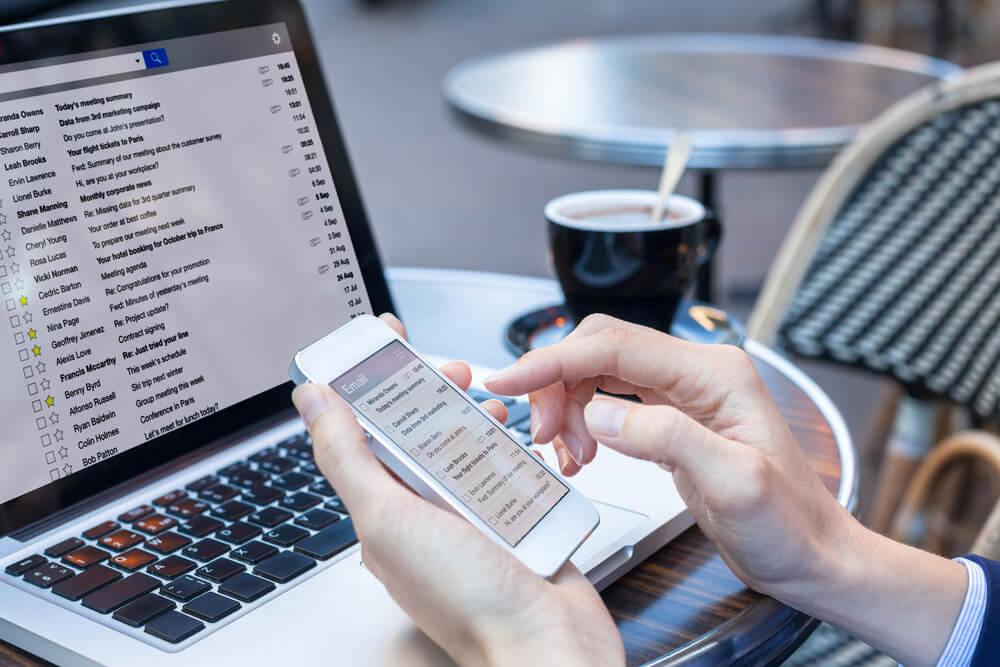
Smart Strategies for Combining SMS and Email
Here’s how to pair SMS and email for maximum impact:
- Lead nurturing: Send a welcome email, then follow up with a quick SMS intro.
- Cart abandonment: Email a reminder, then follow up via SMS for urgency.
- Event promos: Email full event details, then send SMS reminders day-of.
- Customer feedback: Ask via email, then nudge with a text if there’s no reply.
By designing cross-channel journeys, you meet your audience where they are—and move them forward.
Trigger-Based Messaging and Automation
The real magic happens when you automate SMS and email campaigns based on behavior.
Examples of automation triggers:
- Sign-up or form submission
- Cart abandonment
- Purchase confirmation
- No login/activity for X days
Using platforms like VeloConnect, you can create flows where an email sends first, and a follow-up SMS triggers automatically based on user action (or inaction). This saves time and increases conversions.
Stay Compliant with SMS and Email Marketing
Compliance is critical. For both SMS and email, you must follow key rules:
- Always get consent (opt-in)
- Provide easy opt-out options
- Follow GDPR, TCPA, and CAN-SPAM regulations
- Keep records of consent
Using a professional platform helps ensure you meet all legal standards and keep your list healthy and engaged.
Marketing Tools That Make It All Easier
Platforms like VeloConnect integrate SMS, email, and automation into one interface—making it simple to manage multi-channel campaigns. With real-time analytics, segmentation tools, and drag-and-drop campaign builders, you can launch smarter campaigns in less time.
Other popular tools for integration include:
- Mailchimp + SMS plugins
- HubSpot with SMS extensions
- Klaviyo + Twilio or VeloConnect
Combining SMS and email with VeloConnect CpaaS platform.
Together, they form a powerful marketing pair that boosts engagement, reach, and conversions.
Don’t force your message into one channel. Let SMS deliver speed, let email tell the story—and let both work together to grow your brand.
